
The Euralpine Lyon-Turin base tunnel is the central structure of the cross-border rail link between France and Italy, and one of the largest rail infrastructure projects in Europe. On a site where rock cover can exceed 2,000 metres, underground worker safety is not a compliance exercise. It is the difference between a controlled incident and a disaster.
An exceptional geological environment
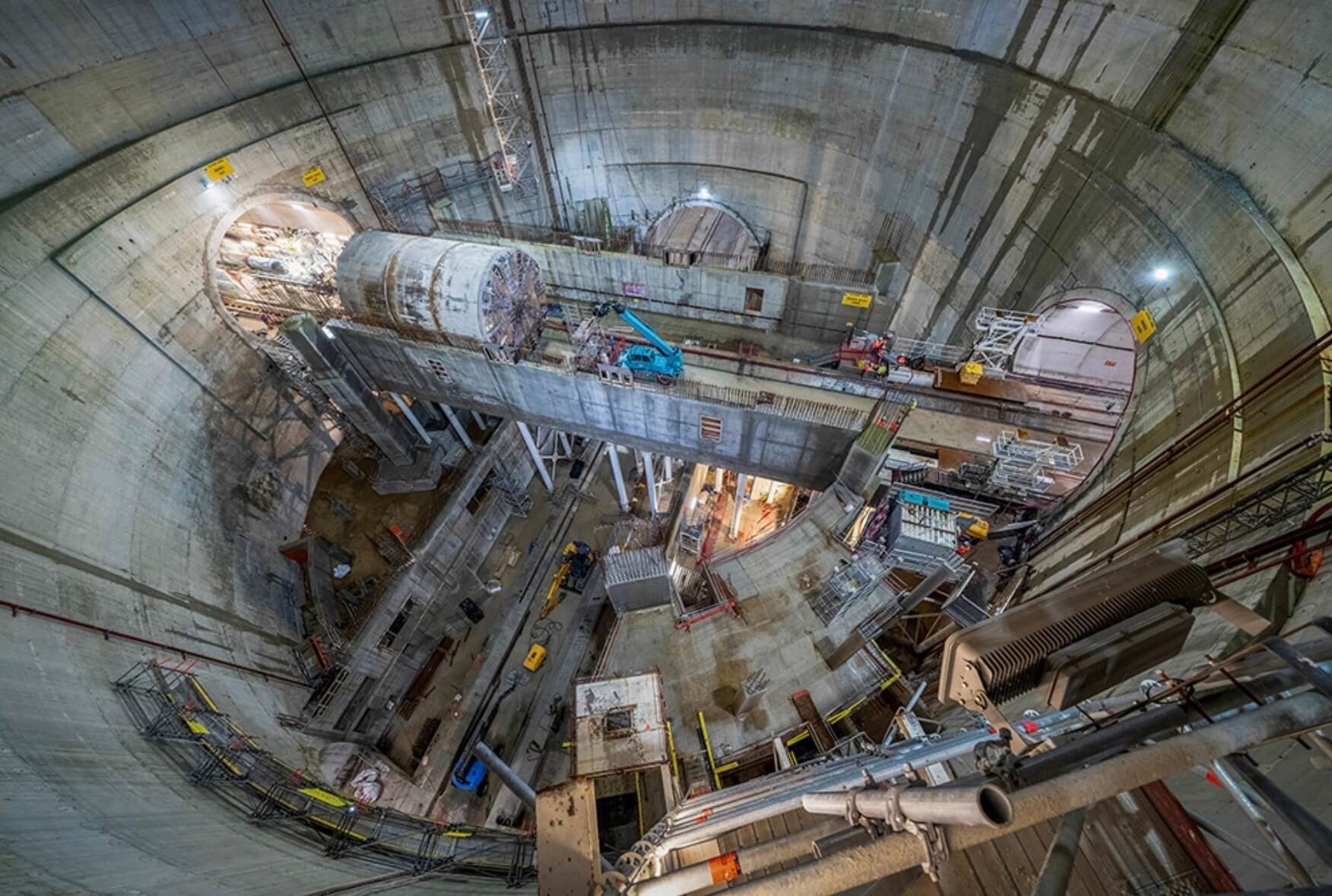
The Euralpine Lyon-Turin base tunnel (TELT) is the core of the transalpine rail link between France and Italy, spanning 57 kilometres of twin-tube tunnel. The works include 71 safety cross-passages and numerous secondary galleries, carried out over a multi-year construction programme in complex geological conditions. Around the French worksites such as Saint-Martin-la-Porte, the rock cover above the workers exceeds 2,000 metres in places.
At those depths, every safety variable intensifies. Fire risk, ventilation, heat, and the sheer time required to evacuate all rise sharply. A tunnel fire alarm system and an evacuation management system have to perform flawlessly across tens of kilometres of working face and cross-passages.
Covering more than 1,600 workers every day
The WISE Safety Centric system covers the daily activity of more than 1,600 workers on the project, supporting the management of risks tied to tunnel excavation in difficult ground. The challenge is continuous: the tunnel grows every day, so the safety infrastructure has to extend with it without ever leaving a gap in coverage.
Engineering new solutions for a one-of-a-kind project
The specifics of the works force the NEOAXESS teams to engineer new solutions continuously to meet the unique technical demands of a project at this depth and scale. Standard layouts rarely apply unchanged; each gallery and each work zone is adapted case by case.
More than 1,400 safety and communication devices
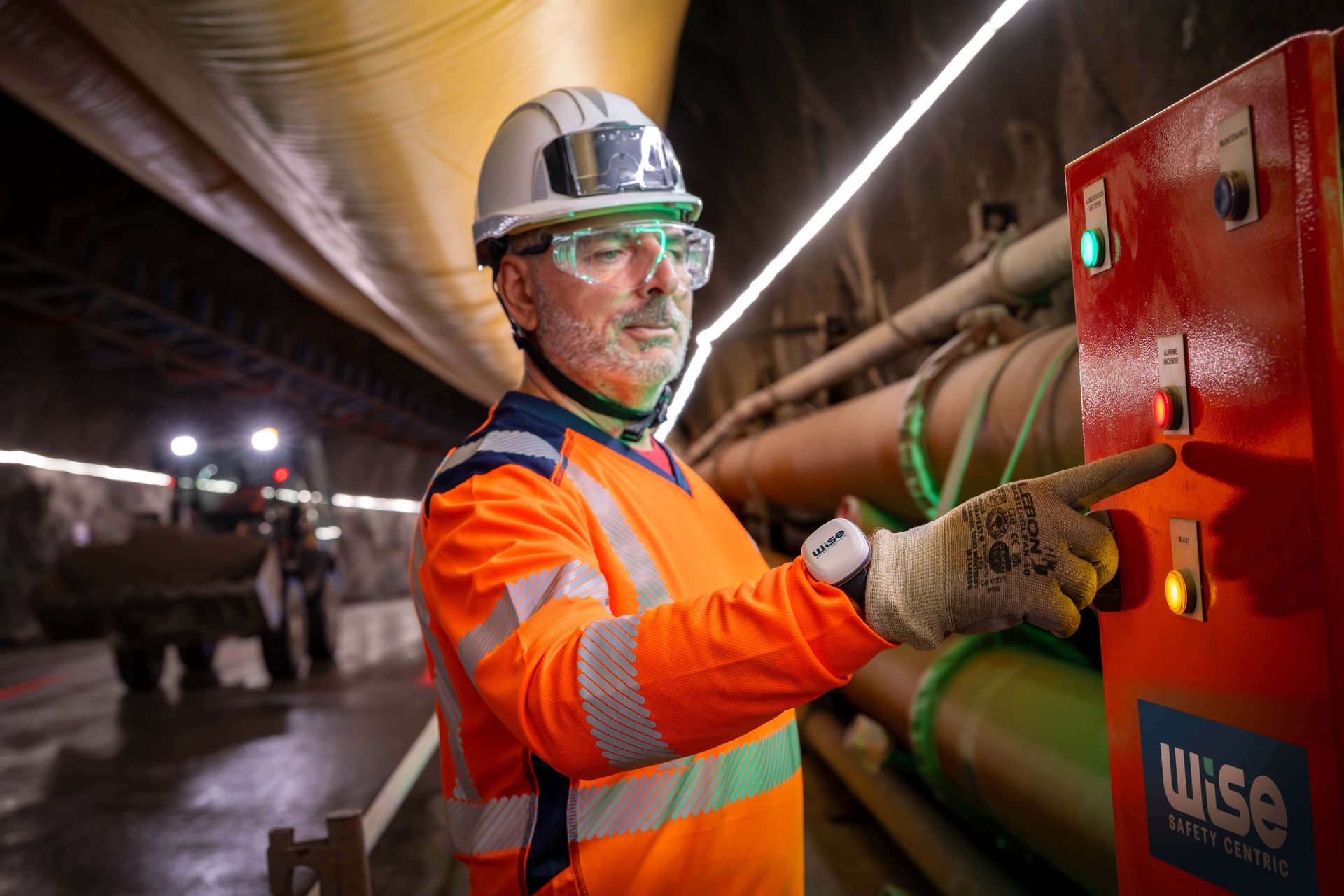
By completion, more than 1,400 devices combining safety and communication functions will be deployed across the alignment. Each delivers the three core WISE functions on a single infrastructure: a resilient fire alarm carried on an independent, backed-up network, voice and data emergency communication, and real-time worker tracking.
Why the independent network layer matters
In a deep alpine tunnel, the alarm must reach workers even if the main data network is partly destroyed. By carrying fire alerts on a separate, backed-up network layer, the system can propagate alarms over distance independently of the communication network, so a single failure does not silence the warning.
The WISE safety system deployed here combines fire alarm, emergency communication and worker tracking on one network.
NEOAXESS announced the award on its website: NEOAXESS selected to secure lot 2 of the Lyon-Turin tunnel (in French).
Key facts
- 57 km twin-tube tunnel
- 71 safety cross-passages
- 1,600+ workers covered daily
- 1,400+ devices to be deployed
- Rock cover up to 2,000 m above the works
- Multi-year construction programme
- Project owner: TELT (Tunnel Euralpin Lyon Turin)