
Every safety system has a story. WISE begins on 5 March 2002, in the gallery of the A86 tunnel under construction, when a fire broke out 1.4 km from the entrance. An event that could have turned into tragedy became the starting point of a rare engineering principle: build a safety system from the real experience of the people on the ground.
A night in March that changed everything
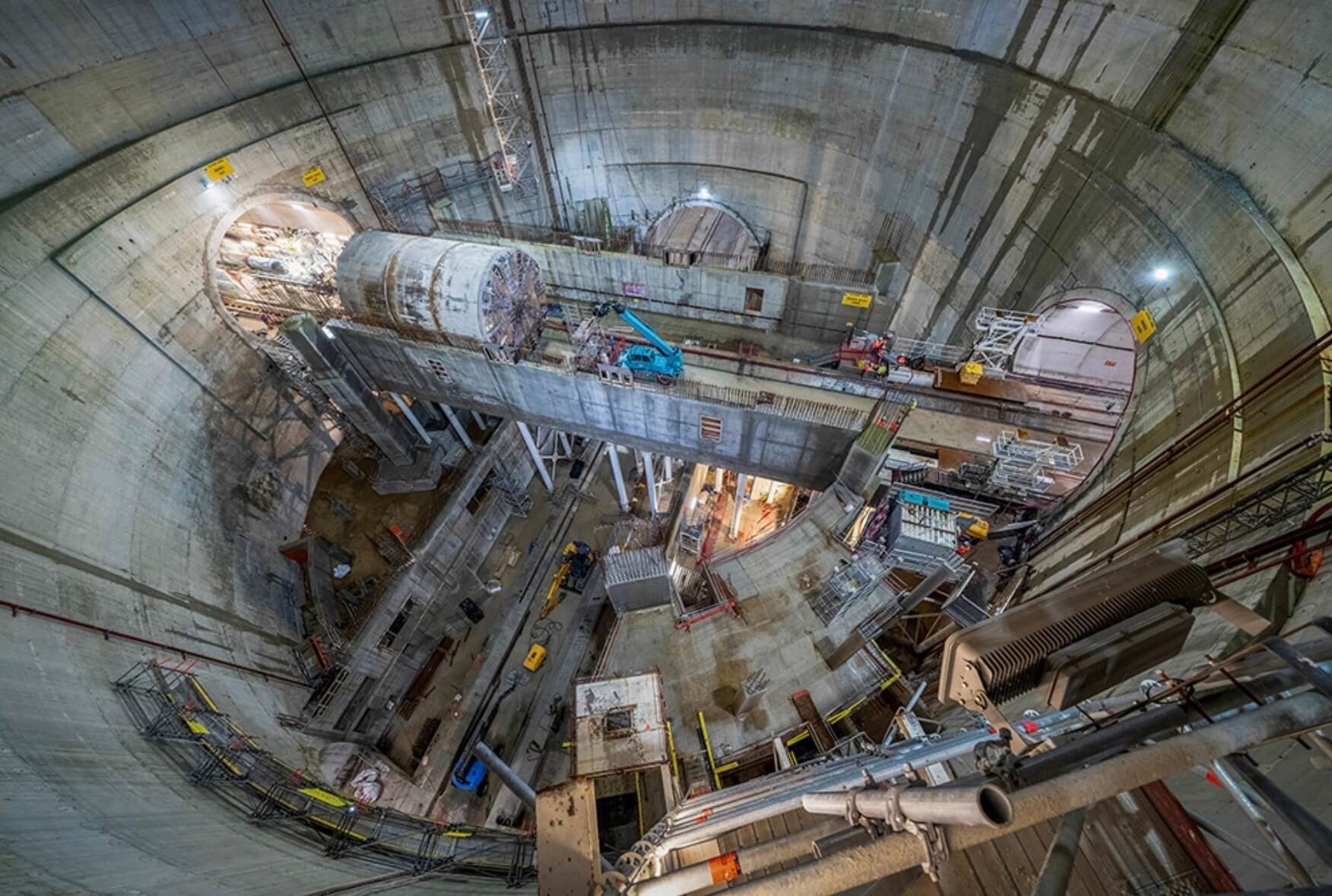
On 5 March 2002, at around 10 pm, during the digging phase of the A86 motorway tunnel, a fire broke out 1.4 kilometres from the northern entrance and 600 metres from the tunnel boring machine. Nineteen site workers escaped suffocation by sheltering inside the TBM, behind the machine’s shield, which held a ten-hour oxygen supply. A fast response from the intervention teams and disciplined execution of the emergency plan prevented another tragedy, three years after the Mont Blanc Alpine tunnel fire. There were no injuries.
From debrief to a confined space safety standard
WISE was created directly in response to this accident, built from the feedback and debriefings of those who lived through it. The objective was sharp: identify the functions that truly matter when an incident occurs in a confined space. Three emerged and still structure the system today: a resilient fire alarm, permanent communication, and real-time tracking of people underground.
Industrialisation with NEOAXESS
Following its initial success, NEOAXESS has industrialised, deployed and continuously upgraded the system since 2018. That step turned a hard-won field lesson into a repeatable tunnel construction safety system now used on major projects worldwide.
A 14-point fire assessment methodology
Beyond the technology, NEOAXESS developed for WISE Safety Centric, in partnership with VINCI Construction Grands Projets, a 14-point fire assessment methodology covering prevention, information, action, protection and organisation. It is applied systematically on major projects to test the robustness and consistency of the fire reaction plan before an incident ever occurs.
Why origin matters in procurement
For a project owner, this history is more than a story. A safety system designed from a real incident, then validated across global projects, is exactly the kind of evidence that de-risks a confined space safety decision.
Today the WISE safety system combines fire alarm, emergency communication and worker tracking on one network.
Key facts
- 5 March 2002: A86 tunnel fire
- 19 workers saved
- 10-hour oxygen supply inside the TBM
- 2018: industrialisation with NEOAXESS
- 14-point fire assessment methodology with VINCI Construction Grands Projets